
In today's fast-paced work environment, stress is a common issue. An estimated 83% of US workers experience work-related stress. This can lead to health problems and decreased productivity. One effective solution is the Office Chair Massage, designed to alleviate tension and promote relaxation.
Office Chair Massage not only enhances comfort but also improves focus. According to a study published in the Journal of Occupational Health Psychology, regular massage therapy can reduce stress and anxiety levels by up to 50%. These sessions help employees recharge, resulting in better performance and job satisfaction.
Integrating Office Chair Massage into the workplace could be a game-changer. Companies that invest in employee wellness report higher retention rates. Yet, many organizations overlook this cost-effective strategy. Engaging in self-care through massage is essential, but often neglected in the hustle of daily tasks. The transformative impact of Office Chair Massage may be an unrecognized gem in fostering a healthier work culture.
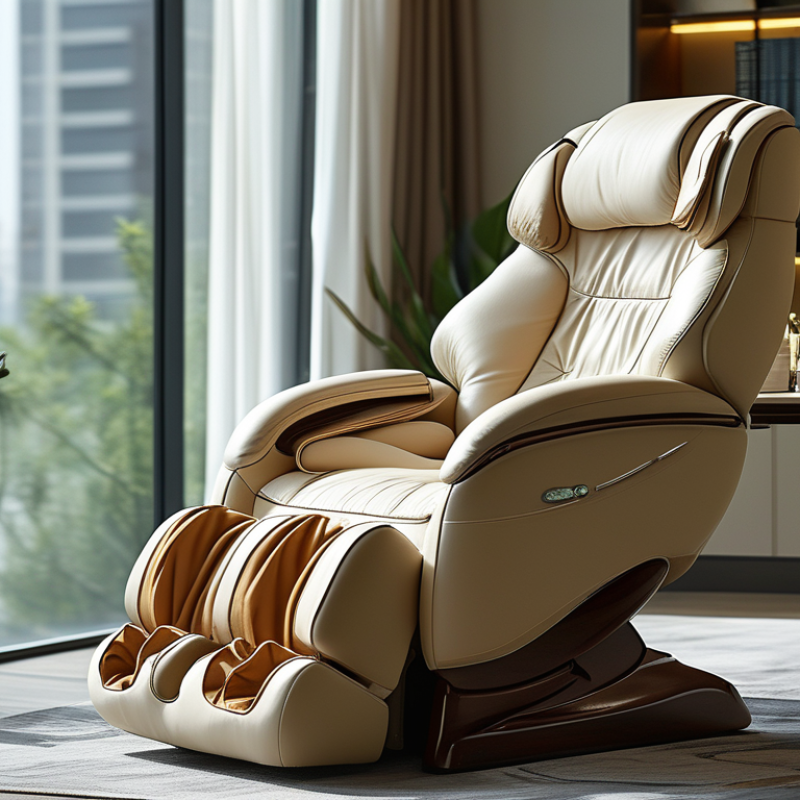
Office chair massages are gaining popularity in modern workplaces. According to a report by the American Psychological Association, 65% of workers experience significant stress levels. This stress can affect productivity and overall health. In contrast, a brief session in an office chair massage can reduce muscle tension and promote relaxation, leading to better focus.
Studies show that a massage can lower cortisol levels, a hormone associated with stress. A published study indicated a 30% drop in cortisol after just 10 minutes of massage. Employees report feeling refreshed and energized, showcasing the mental clarity achieved through regular sessions. This simple practice can lead to improved morale and job satisfaction.
Implementing an office massage program may require investment, yet the returns can be substantial. Companies could see a reduction in absenteeism and an increase in employee retention. However, some might question the logistics and costs involved. Failing to establish clear parameters might lead to underutilization of these services. Reflecting on the balance between cost and benefit is essential for a successful implementation.
Office chair massages have become a popular choice for enhancing focus and productivity in the workplace. These massages, performed while seated in a specially designed chair, offer a convenient way to relieve tension during a busy workday. Imagine feeling the knots in your shoulders loosen as skilled hands target areas of stress. This downtime can be transformative, encouraging both mental clarity and physical well-being.
Incorporating office chair massages into the work routine can lead to notable improvements in employee focus. Natural distractions frequently arise in the office environment. A few minutes dedicated to massage creates a reset, allowing for renewed concentration. However, not every session meets expectations. Some may find the pressure too light or the technique unsuitable. It's essential to communicate needs to ensure effectiveness.
Enhanced productivity doesn’t solely come from relaxation. It also stems from the sense of community these sessions can foster. Employees often engage in friendly conversations post-massage. This camaraderie can lead to improved teamwork and morale. Yet, the challenge remains in balancing frequency and accessibility. Not all workplaces prioritize these wellness initiatives, making it a subject for future consideration.
Office chair massages have gained popularity for their ability to relieve stress and enhance productivity. Various techniques cater to different needs. A study by the American Physical Therapy Association indicates that chair massages can reduce tension by up to 50%. Different methods include shiatsu, Swedish, and deep tissue, each offering unique benefits.
Shiatsu focuses on pressure points. It uses finger pressure and stretching. This method improves circulation and alleviates muscle tightness. The Swedish technique involves long, flowing strokes that promote relaxation. It helps in reducing anxiety and improving overall mood. Deep tissue massage targets deeper layers of muscle, relieving chronic pain.
While office chair massages offer many advantages, they aren't a one-size-fits-all solution. Some people may find certain techniques uncomfortable or not effective for their specific needs. It's essential to choose the right type that resonates with personal preferences. A balance between relaxation and tension relief is crucial for maximum benefit. Making an informed choice helps in creating a more effective relaxing experience.
Incorporating chair massages into workplace culture can yield significant benefits for both employees and employers. A report from the American Psychological Association indicates that 61% of employees experience stress on the job. This stress can diminish productivity and increase absenteeism. Chair massages provide a straightforward way to alleviate tension and promote relaxation during the workday.
Studies show that integrating chair massages can lead to a 20% increase in employee satisfaction. Providing these services fosters a positive work environment. A happier workforce is more engaged and productive. It’s worth noting, however, that not all employees might prefer this option initially. Some may feel uncomfortable receiving massages in a work setting. Understanding and addressing these concerns is crucial for successful implementation.
Moreover, a survey by the National Center for Biotechnology Information found that regular massage therapy can reduce anxiety by up to 45%. This statistic highlights the potential impact of chair massages. Yet, organizations should monitor feedback and adjust programs as needed. Continuous improvement ensures that chair massage offerings meet employee needs and enhance workplace culture effectively.
Selecting the right office chair massage requires careful consideration of your unique needs. Many workers spend long hours sitting, leading to discomfort. According to a survey by the American Chiropractic Association, over 80% of adults experience back pain at some point in their lives. An effective massage chair can address these issues, providing relaxation and promoting better posture.
Focus on features that matter. Look for adjustable settings to personalize your experience. Some chairs include heat functions, enhancing muscle relaxation. Research indicates that heat therapy can improve circulation and alleviate tension. Additionally, choose a chair that supports your body type. Not every chair fits everyone equally, and a mismatch can lead to further discomfort.
Don't overlook your workspace environment. A chair that blends with your office décor while being functional is ideal. It's not just about luxury; it's about health. Regular use can reduce stress levels and improve productivity. However, some users report feeling tethered to their chairs, creating a sense of dependency. Balancing massage therapy with regular movement is vital for overall well-being.
This chart illustrates the various benefits of using an office chair massage for relaxation, highlighting how it can help reduce stress, improve focus, enhance mobility, relieve pain, and increase comfort during long working hours.
: Office chair massages help reduce muscle tension and promote relaxation. They can enhance focus and overall productivity.
Studies show a 30% reduction in cortisol after just 10 minutes of massage. This can lead to feeling refreshed and energized.
Yes, regular chair massages can improve employee satisfaction and morale. A happier workforce is often more engaged and productive.
Evaluating costs versus benefits is crucial. Establishing clear guidelines prevents underutilization of the service.
Fostering a positive work environment is key. Addressing employee concerns about receiving massages is important for success.
Adjustable settings and heat functions are beneficial. Choosing a chair that fits your body type enhances comfort and effectiveness.
Not everyone may prefer massages at work. Open discussions about concerns can help ease discomfort and improve acceptance.
By reducing stress levels, chair massages can lead to lower absenteeism. Happier employees are likely to take fewer sick days.
Regular use is beneficial, but balance is essential. Avoid becoming overly dependent on the chair for stress relief.
Yes, regular massage therapy can reduce anxiety levels by up to 45%. This highlights their potential impact on mental well-being.
Office Chair Massage offers an innovative solution to combat stress and enhance overall well-being in the workplace. The benefits of these massages are manifold, providing immediate stress relief and promoting a healthier work environment. By alleviating tension and discomfort, office chair massages can significantly boost focus and productivity, allowing employees to perform at their best.
Various techniques and approaches are employed in office chair massages, catering to different needs and preferences. Incorporating these massages into workplace culture can foster a more positive atmosphere, emphasizing employee wellness. Choosing the right office chair massage tailored to individual requirements can further enhance its effectiveness, making it a valuable addition to any organization's wellness initiatives.
