
The massage chair recliner market is evolving rapidly. As we look ahead to 2026, several trends are emerging. Consumers seek chairs that offer more than just relaxation; they want technology, comfort, and health benefits.
Today's massage chair recliner combines innovation with user-friendly designs. Advanced features such as 3D massage technology and customizable programs are becoming standards. Consumers are also focusing on aesthetics, ensuring their chair complements their home decor.
However, with so many options, navigating the market can feel overwhelming. Understanding these trends can help buyers make informed choices. As you explore the upcoming models, consider your unique needs. Your massage chair recliner should enhance both relaxation and well-being. Reflect on what works best for you, keeping both comfort and style in mind.
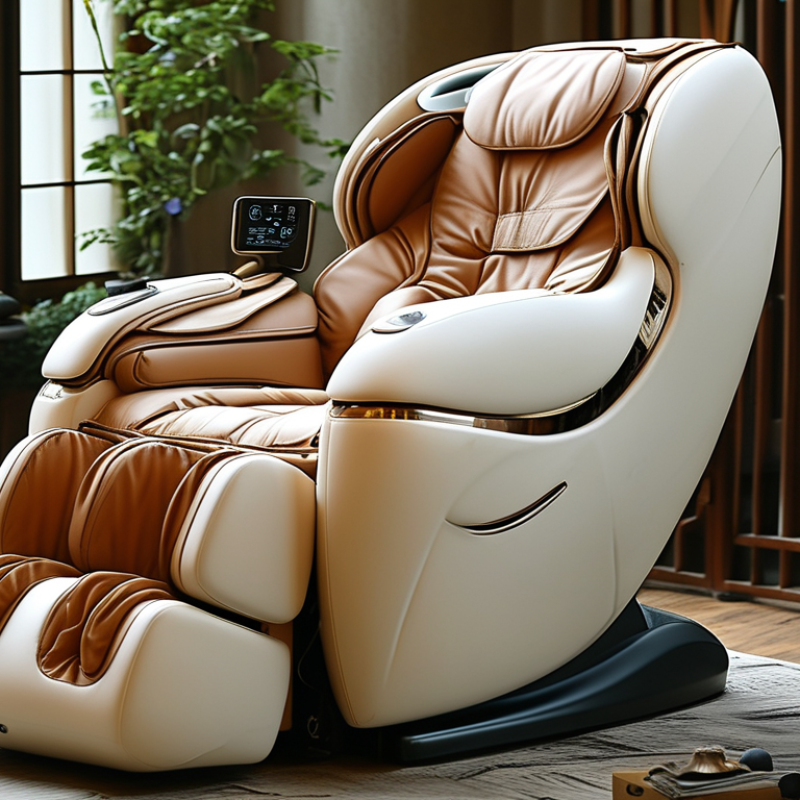
The evolution of massage chairs will significantly shift in 2026, driven by emerging technologies. Enhanced sensory feedback will become a focus, allowing users to experience tailored massage techniques. These innovations involve sensors that analyze body posture and muscle tension. By customizing the massage experience, users can receive more effective treatments.
AI integration will be another key trend. Smart systems can learn user preferences, adapting sessions in real-time. Imagine a chair that remembers your past choices and anticipates your needs. However, with this predictive ability comes certain challenges. Data privacy and security will be essential concerns. Users must trust these systems with their personal information.
Another fascinating concept is the incorporation of virtual reality. Picture immersing yourself in a calming environment while receiving a massage. This blend offers both physical relaxation and mental escape. But one must consider whether this technology enhances or detracts from the inherent simplicity of a massage chair. Balancing innovation with user comfort is crucial as these trends emerge.
The modern massage chair recliner offers a fusion of relaxation and health. Popular techniques are skillfully integrated into today's designs. For instance, shiatsu and Swedish massage styles have gained traction among consumers. According to a recent industry report, 78% of users prefer chairs that simulate these techniques. This high demand reflects a broader trend towards personalized wellness solutions.
Heated massage features have also seen a notable rise in popularity. Over 65% of users claim that heat enhances their massage experience. It helps in relieving muscle tension effectively. Additionally, chairs equipped with 3D massage rollers provide a deeper and more realistic massage. These rollers can replicate human-like movements, giving users a more authentic feel.
However, despite these advancements, some users find it challenging to select the right chair. Many brands offer a myriad of features that can be overwhelming. This often leads to dissatisfaction after purchase. Consequently, potential buyers should consider their unique needs and perform thorough research. Understanding various techniques and mechanical specifications is essential to ensure satisfaction and comfort. These insights can help in navigating the evolving landscape of massage chair technology.
| Trend | Popular Techniques | Key Features | Price Range (USD) |
|---|---|---|---|
| Smart Technology Integration | Shiatsu, Kneading | App Connectivity, Personalized Settings | $1,500 - $3,000 |
| Zero Gravity Recline | Pressure Relief | Enhanced Circulation, Ergonomic Design | $1,200 - $2,500 |
| Foot Massager Integration | Rolling, Air Compression | Customizable Intensity, Heat Function | $800 - $1,800 |
| Multi-Functional Use | Tapping, Stretching | Massage and Reclining Modes | $1,000 - $2,200 |
| Compact Design | Cushioning, Alignment | Space Saving, Lightweight | $700 - $1,500 |
When choosing a massage chair in 2026, buyers should focus on key features for the best experience. One important aspect is customization. A chair that offers various massage techniques caters to different needs. Look for models with adjustable intensity levels. This allows users to choose the pressure that feels comfortable for them.
Another detail to consider is the inclusion of heat therapy. Heat can enhance muscle relaxation, making the massage more effective. It’s beneficial for easing tension and improving circulation. Additionally, chairs with zero-gravity positions can reduce pressure on the spine. This feature can significantly enhance comfort during a massage.
Beware of chairs that lack user-friendly controls. Complicated interfaces can lead to frustration. Remote controls should be intuitive and easy to navigate. After all, the main goal is relaxation. Additionally, pay attention to the build quality and warranty. Investing in a durable model ensures long-term use.
Consumer preferences are evolving rapidly in the massage chair industry, shaping trends for 2026. A report from the International Sleep Products Association indicates that 57% of consumers prioritize ergonomic design. This focus reflects a deeper awareness of overall health and well-being. As more individuals work from home, the demand for chairs that alleviate back pain and improve posture is surging. The rise in sedentary lifestyles underscores this need.
Another emerging trend is the integration of smart technology. According to a survey by the American Massage Therapy Association, 64% of respondents show interest in features like app connectivity and personalized settings. Consumers want a tailored experience that caters to their unique stress relief needs. The ability to customize massage styles and intensity levels is now a common request.
However, there are also concerns regarding price versus quality. A significant portion of potential buyers remains hesitant. Many worry if they can balance advanced features with affordability. The industry must address these concerns without compromising quality. These insights reflect the complexity of today's consumer landscape in the massage chair market.
The trend toward sustainability in massage chairs is reshaping the industry. Consumers are increasingly concerned about the environmental impact of their purchases. According to a recent industry report, 70% of consumers prefer products made from eco-friendly materials. This shift is prompting manufacturers to explore sustainable options that do not compromise comfort or quality.
Natural materials, such as organic cotton and bamboo, are becoming popular choices. They offer not only comfort but also reduce carbon footprints. A study by the Global Sustainability Index revealed that wooden components sourced from certified forests have gained traction. These materials can enhance the aesthetic appeal of massage chairs while ensuring ecological responsibility.
However, the implementation of sustainable practices is not without challenges. Some manufacturers struggle to balance cost and eco-friendly materials. The production process can become more complex, impacting pricing for consumers. It's vital for the industry to continue innovating and finding solutions that meet both consumer demand and environmental standards.
: Popular techniques include shiatsu and Swedish massage styles. They cater to users seeking relaxation.
Heated massage features help relieve muscle tension effectively. Over 65% of users enjoy the benefits of warmth.
3D rollers provide a deeper, more realistic massage. They mimic human movements for an authentic feel.
Users often find the variety of features overwhelming. This can lead to dissatisfaction after the purchase.
It's important to understand personal needs and research thoroughly. Different techniques and specifications matter greatly.
Ergonomic design is a priority for 57% of consumers. It's crucial for addressing back pain and improving posture.
Many consumers prefer app connectivity and personalized settings. Tailoring the experience enhances stress relief.
Yes, many potential buyers hesitate between advanced features and affordability. Balancing these aspects is a challenge.
The demand for chairs that alleviate back pain is increasing. More people are working from home now.
Understanding trends and personal needs is essential. The market is evolving, making informed decisions crucial for satisfaction.
As we look ahead to 2026, the massage chair recliner market is set to evolve with emerging technologies that enhance user experience. Innovations such as advanced sensors and AI integration promise tailored massage experiences, while popular techniques like shiatsu and Swedish massage are becoming increasingly common in modern recliners. Buyers should prioritize key features, including customizable settings and ergonomic designs, to ensure optimal comfort and effectiveness.
Consumer preferences are also shaping trends, with an emphasis on designs that cater to holistic wellness and stress relief. Furthermore, there’s a growing demand for sustainability, prompting manufacturers to utilize eco-friendly materials in their products. Together, these developments indicate that the future of massage chair recliners will focus on personalized, innovative, and environmentally-conscious solutions, catering to the evolving needs and preferences of consumers.
